Orthodontic Wax & Initial Soreness
Tooth tenderness after fitting or adjusting braces is different from a bracket or wire rubbing the cheek or tongue. Orthodontic wax cushions a rubbing surface; it does not treat the cause of tooth pain or repair an appliance.
What You Need
Orthodontic relief wax, clean hands, a mirror, and a clean tissue or cotton swab.
Video demonstration — to be added
How to Apply Wax
Wash your hands and find the rubbing area in a well-lit mirror.
Gently remove trapped food and dry the bracket or wire with a clean tissue or cotton swab.
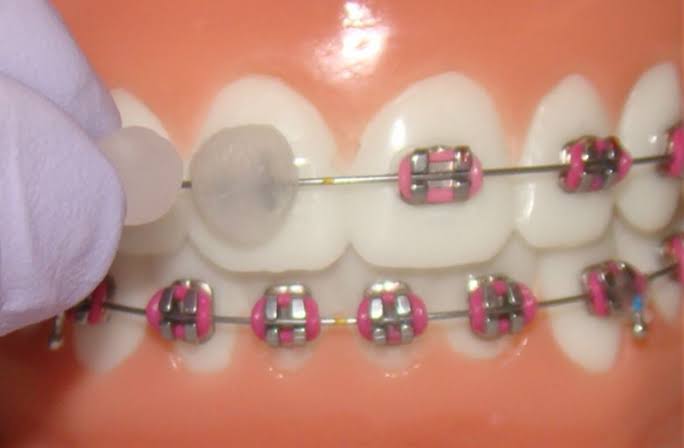
Pinch off a small piece of relief wax and warm it between your fingers.
Roll it into a soft ball, then press and mould it over the irritating surface.
Leave a smooth, rounded cushion between the appliance and your cheek or tongue.
On an accessible intraoral appliance edge, cover only the rubbing surface. Do not obstruct adjustment holes, screw heads, or moving parts.
Do not pack wax into a wound, beneath the gum, or around a surgical site or mini-screw without instructions.
Remove before brushing and replace with clean wax as needed. Follow the product’s instructions about eating.
Small amounts of accidentally swallowed orthodontic relief wax are generally not harmful, but wax is not intended to be eaten.
Initial Soreness
Teeth may feel tender after braces are fitted or adjusted, especially during the first few days, and soreness should gradually improve. Choose softer foods, avoid hard biting, and continue gentle cleaning. If appropriate for you, an over-the-counter pain reliever such as acetaminophen/paracetamol may help. Follow the age- and weight-specific package directions and advice from a pharmacist or clinician. Do not place aspirin against the gums or use a universal “one tablet” instruction.


When to Contact Your Clinic
Severe or worsening pain
Swelling, fever, difficulty eating or drinking, or discomfort that is not improving
Repeated irritation from a damaged appliance, even if wax helps